Understanding Senior Care Services: How They Offer Support, Comfort, and Companionship
Elderly care services are crucial for dealing with the various requirements of elderly individuals. They supply essential support, comfort, and companionship, significantly affecting the quality of life for seniors. Multiple options are available, from at-home care to assisted living facilities, each accommodating different levels of independence and assistance. Understanding these services is essential for families seeking the best care for their loved ones. What factors should families evaluate when assessing these options?
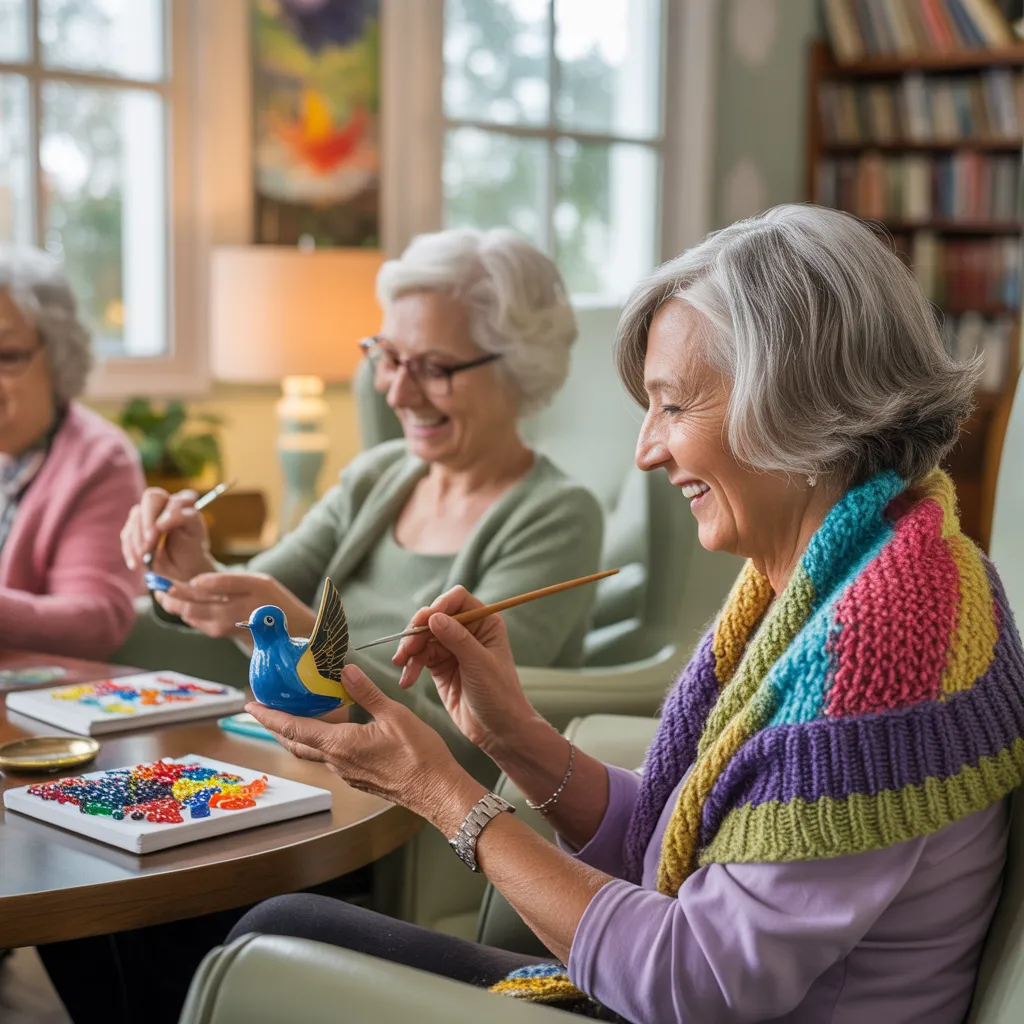
The Importance of Senior Care Services: An Overview
Senior care services encompass a range of support options designed to assist elderly individuals in maintaining their quality of life. These services are crucial as they tackle the specific physical, emotional, and social needs that commonly develop with aging. Numerous seniors confront obstacles such as mobility concerns, chronic health conditions, and social isolation, which can profoundly impact their well-being. Through offering customized support, senior care services help improve independence while guaranteeing safety and comfort.
Furthermore, these services typically encourage a sense of community, which is essential for emotional well-being. Families could find it tough to provide the needed care due to different life responsibilities, making professional support essential. Through companionship and customized care, senior care services promote the overall happiness and stability of elderly persons, enabling them to live fulfilling lives. In the end, these services play a significant role in promoting dignity and respect for seniors as they manage the challenges of aging.
Essential Senior Care Services: Main Options for Families
A variety of senior care services are accessible to address the wide-ranging needs of seniors and their families. These services can be broadly categorized into several key options. Assisted living facilities deliver a supportive environment where seniors can get assessment aid with daily activities while maintaining their independence. Nursing homes supply thorough medical care for those with chronic health concerns or needing rehabilitation. Adult day care centers offer social interaction and care during the day, giving caregivers a well-deserved respite. Memory care facilities focus on supporting those with cognitive impairments, delivering tailored programs to improve cognitive function and safety. Moreover, hospice care centers on providing comfort and support for seniors with terminal illnesses, emphasizing quality of life. Each option handles different needs, making it important for families to examine their unique circumstances when selecting appropriate services for their loved ones.
At-Home Care: Customized Assistance in Familiar Settings
In-home care provides a distinctive approach for families in search of individualized help for their older family members while enabling them to stay in the safety of their own living spaces. This service is tailored to meet individual needs, supplying aid with day-to-day functions such as personal hygiene, cooking, and prescription oversight. Care providers are educated to build rapport with clients, ensuring a sense of security and reliability in an environment where elderly individuals feel safest.
Moreover, in-home care fosters independence by permitting seniors to sustain their routines and pursue familiar activities. Families take advantage of the flexibility of care schedules, which can be customized to their individual requirements. This level of personalization not only elevates the quality of life for seniors but also alleviates stress for family members. As a result, in-home care stands out as a compassionate alternative, allowing elderly individuals to succeed in their own surroundings while receiving essential support.
Assisted Living Communities in Elderly Care: Finding the Balance of Independence and Support
While most older adults want to retain their self-sufficiency, assisted living centers deliver a structured environment that balances independence with necessary assistance. These centers cater to seniors who necessitate varying levels of assistance while encouraging them to participate in daily activities and socialize with companions. Residents typically have their own private apartments or rooms, fostering a sense of personal space and ownership.
These facilities routinely offer aid with important tasks such as overseeing prescriptions, meal preparation, and personal care. This support helps residents to concentrate on their interests and hobbies, promoting a enriching lifestyle. Additionally, communal areas and scheduled activities provide opportunities for social interaction, reducing feelings of isolation.
Nursing Homes: Full-Service Care for Multifaceted Needs
Nursing homes offer a crucial option for elderly individuals with complicated medical needs who require continuous care and supervision. These establishments are designed to cater to seniors experiencing significant medical concerns, including chronic diseases, disabilities, or recovery from surgery. With a team of certified healthcare practitioners, nursing homes offer thorough services that cover medical care, personal assistance, and rehabilitation therapies.
Residents benefit from customized care plans adapted to their unique needs, making certain that healthcare and emotional support is readily available. Several nursing homes also provide specialized services like memory care for those with cognitive impairments, ensuring a secure and nurturing environment.
In addition to medical care, nursing homes encourage social interaction among residents, minimizing feelings of isolation. This holistic approach addresses not only the physical but also the emotional and psychological well-being of residents, making nursing homes a essential resource in senior care services.
How Senior Care Solutions Improve Quality of Life
Elderly care services play a vital role in improving the quality of life for older adults, extending beyond the medical support provided in nursing homes. These services encompass a variety of non-medical assistance, including companionship, daily living activities, and social engagement, which are crucial for emotional well-being. By fostering meaningful relationships, caregivers help address loneliness and isolation, helping seniors to feel valued and connected.
Additionally, tailored care plans cater to individual desires and needs, supporting independence and dignity. Activities designed to stimulate cognitive function and physical health enhance a holistic approach, making certain that seniors stay active and engaged in their communities. Transportation services also empower older adults to join social outings, medical appointments, and recreational activities, enhancing their overall lifestyle. Eventually, senior care services not only address physical needs but also elevate the emotional and social facets of aging, dramatically elevating the quality of life for older individuals.
How to Select the Right Senior Care for Your Loved Ones?
Picking the best senior care for a family member requires a careful approach. It is vital to assess individual needs, investigate available services, and consider the location and accessibility of those services. By thoroughly assessing these elements, families can make educated decisions that best support their loved ones.
Examine Individual Requirements At the Outset
How might families ensure they select the most appropriate care for their family members? The initial step involves analyzing individual needs in depth. Families should consider the senior's physical health, emotional health, and social requirements. Key factors include any medical conditions, mobility restrictions, and cognitive abilities. Moreover, understanding the choices and lifestyle of the senior can direct families in choosing care that promotes well-being and happiness. Engaging in open discussions with the senior can reveal their desires and worries regarding care options. Furthermore, consulting with healthcare professionals can provide guidance into the level of support needed. By thoroughly analyzing these elements, families can verify that the chosen care fits the individual's unique circumstances and elevates their quality of life.
Search Offered Services
Investigating available services is a vital step in ensuring the right fit for elderly care. Families should start by investigating various options, including in-home care, assisted living facilities, and nursing homes. Each service presents different levels of support, ranging from basic companionship to thorough medical assistance. Understanding the specific needs of the senior individual is critical; this includes assessing physical health, cognitive abilities, and social preferences. Additionally, families should consider the type of activities and social interactions delivered within each service, as companionship is a important aspect of senior care. By evaluating services, families can make educated decisions that focus on the well-being and happiness of their loved ones, ultimately creating a more fulfilling lifestyle.
Evaluate Location and Accessibility
When considering senior care choices, one must ask how location and accessibility impact the quality of care. Being near family members, friends, and familiar surroundings can substantially enhance a senior's emotional health and social interaction. Facilities situated near essential services, such as hospitals and pharmacies, guarantee that immediate medical attention is readily available. Moreover, examining transportation options is essential; easy access to public transport or designated services allows seniors to maintain independence and participate in community activities. Furthermore, potential caregivers should examine the physical layout of the facility, ensuring it accommodates mobility needs. Finally, the ideal senior care location strikes a balance between accessibility and a supportive environment that fosters ease and companionship.
Frequently Asked Questions
What Credentials Should Caregivers Have in Senior Care Services?
Senior care service caregivers generally need a high school diploma, pertinent certifications, and training in first aid procedures and CPR. Communication proficiency, compassion, and background working with seniors are also essential qualifications in this field.
How Will Senior Care Services Deal With Medication Management?
Elderly care services manage medication by handling prescriptions, organizing dosages, and maintaining timely administration. They frequently employ medication management systems and certified staff to observe adherence, avoiding potential complications and enhancing overall health for clients.
Do Senior Care Services Meet Special Dietary Requirements?
Yes, senior care services can accommodate special dietary needs. They routinely analyze individual requirements and work with nutritionists to verify meals are customized, delivering nutritional support while taking into account health conditions, preferences, and allergies for residents.
What Safety Procedures Are Established in Senior Care Facilities?
Senior care facilities implement various safety measures including safe living spaces, emergency response systems, consistent health tracking, employee education in emergency care, and preventive protocols to decrease dangers and guarantee the quality of life of residents around the clock.
How Are Family Members Engaged in the Care Planning Process?
Family members participate in the care planning process by offering insights about the senior's medical history, preferences, and needs. This collaboration delivers personalized care strategies, building a supportive environment that improves the overall well-being of the individual.